Topical Maps: Expanding Content Marketing Ideas for Deeper Customer Engagement

Jim Wrubel
CEO, Orchestra AI · June 5, 2023
At Orchestra we're starting to incorporate topical maps in our generated marketing. Topical maps can reveal new material to expand your marketing content, and as a bonus many of the ideas we generate are relatively easy to rank for on SEO.
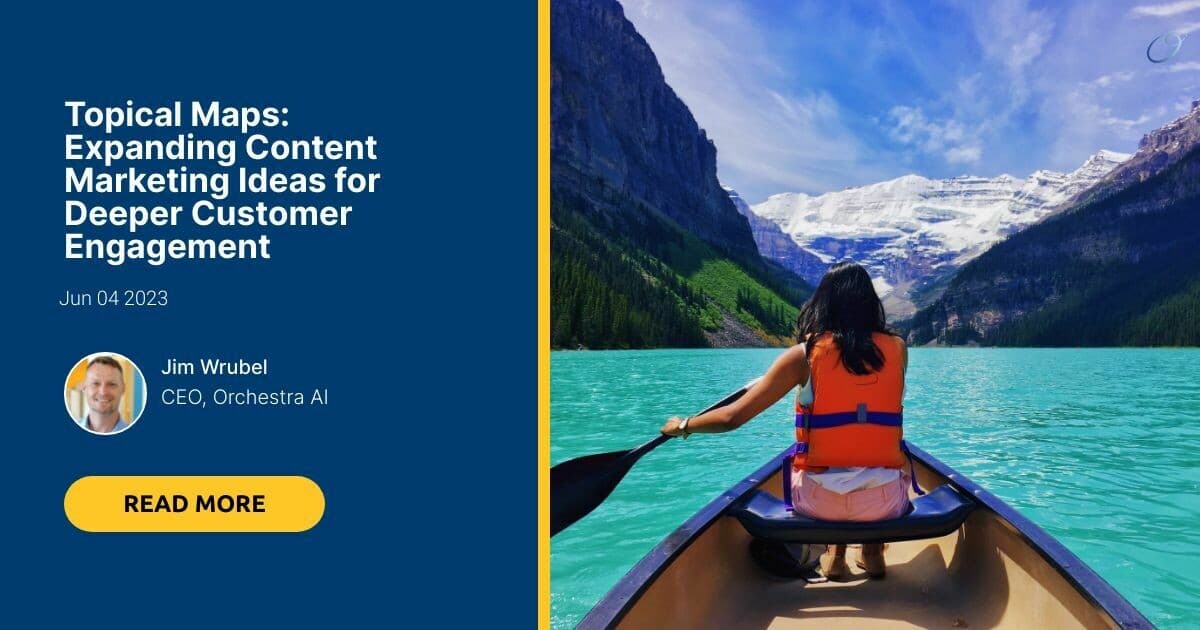
One effective approach to broaden your content's appeal and relevance to your target audience is by using topical maps. Topical maps help you identify content ideas that may not directly relate to your product, but still address challenges or interests that your customers might have. In this article, we'll explore the value of topical maps and show you how to use them with Green Voyage Canoes as an example.
Imagine you're part of the content marketing team for Green Voyage Canoes, a company that sells custom-built canoes made from sustainable materials. Your target customer is an environmentally-conscious outdoor enthusiast who enjoys canoeing and exploring nature. While your primary focus is on promoting your canoes, you recognize that your customers have various interests and concerns beyond the product itself. This is where topical maps come into play.
A topical map is a visual representation of the different themes, issues, and subjects that your target audience is interested in. By exploring these topics, you can create content that speaks to your customers' broader interests and positions your brand as an authority in the space. Let's dive into some examples for Green Voyage Canoes' target customer.
Example 1: Waterproofing Gear for Canoe Trips
One challenge that canoeists often face is keeping their belongings dry during trips. While Green Voyage Canoes doesn't offer waterproofing gear, it's a topic that their customers would find valuable. By creating content that discusses the best waterproof bags, cases, and clothing, the company demonstrates its understanding of the customers' needs and provides useful information that goes beyond the product itself.
Example 2: Paddling Techniques and Safety
Another topic that Green Voyage Canoes' customers might be interested in is paddling techniques and safety. By producing content on this subject, the company can help customers improve their canoeing skills and ensure a safe and enjoyable experience on the water. This kind of content also allows Green Voyage Canoes to showcase its expertise in the field and foster trust with its audience.
Example 3: Eco-Friendly Travel Destinations
Green Voyage Canoes' target customers are likely to be interested in sustainable travel options that align with their values. By offering content that highlights eco-friendly destinations and responsible travel practices, Green Voyage Canoes can inspire their customers to embark on new adventures and reinforce the company's commitment to sustainability.
Example 4: Wildlife Conservation and Biodiversity
As outdoor enthusiasts, Green Voyage Canoes' customers may have a strong interest in preserving wildlife and their habitats. By creating content that explores these issues and offers insights on how canoeists can contribute to conservation efforts, the company can strengthen its connection with its audience and establish itself as a brand that cares about the environment.
Example 5: Outdoor Activities for Families and Groups
While canoeing is the primary focus for Green Voyage Canoes, their customers may also be interested in other outdoor activities that they can enjoy with friends and family. By providing content that discusses group activities like hiking, camping, or birdwatching, the company can position itself as a one-stop resource for outdoor enthusiasts.
Topical maps offer a wealth of opportunities for expanding your content marketing ideas and engaging your customers on a deeper level. By identifying topics that resonate with your target audience and creating content around those areas, you can strengthen your brand image, build trust, and ultimately drive more customer engagement.