Are you leveraging rich results in your content marketing? Your competitors probably are!

Jim Wrubel
CEO, Orchestra AI · June 12, 2023
Rich results are an enhanced format of the traditional search results that incorporate additional data and visual elements to help users decide if a link will give them the information they're looking for. With rich results, users can quickly see ratings, images, and other relevant details.
Think back to the last time you Googled a recipe. Remember seeing a listing with a tasty looking image, star ratings, and even cooking time, all right there in the search results? Those were rich results. For content marketers, leveraging rich results can give a boost to rankings and click-throughs. It's all done through a data standard called JSON-LD.
What are Rich Results?
Rich results are an enhanced format of the traditional search results that we usually encounter. They incorporate additional data and visual elements to help users decide if a link will give them the information they're looking for.
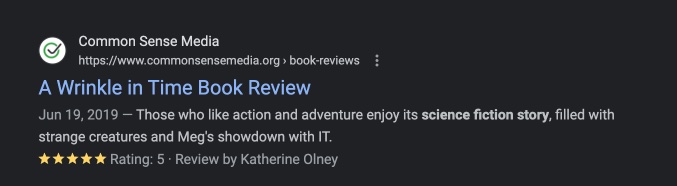
Let's look at an example. a search for book review A Wrinkle In Time will turn up lots of results, including this one from Common Sense Media:
Compare that to a result from the New York Times:
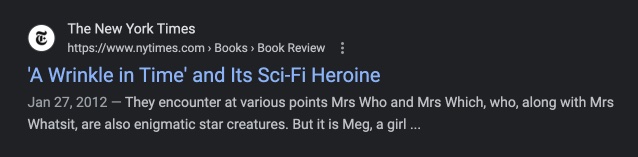
The rich result has a rating and lists the reviewer. If nothing else the bright visuals of the stars near the rich result will draw user attention and make them more likely to click through.
Rich results can include images, review ratings, and other relevant details depending on the content type. Different types of rich results are available, such as product listings, recipes, events, and Q&A formats, to name a few ( the full list is here).
The Role of JSON-LD in Rich Results
JSON-LD, or JavaScript Object Notation for Linked Data, plays a crucial role in generating these rich results:
-
JSON-LD is a data structuring markup format. It helps to clearly communicate the content of your webpage to search engines, much like a conductor guiding an orchestra to ensure the musicians stay in sync.
-
Although JSON-LD involves coding, it's not necessary to be an expert coder to understand its function in this context. It's a method used to structure data in a way that search engines can comprehend.
-
In essence, JSON-LD is the enabling technology that allows rich results to be possible.
Let's look at the JSON-LD from the Common Sense Media Article:
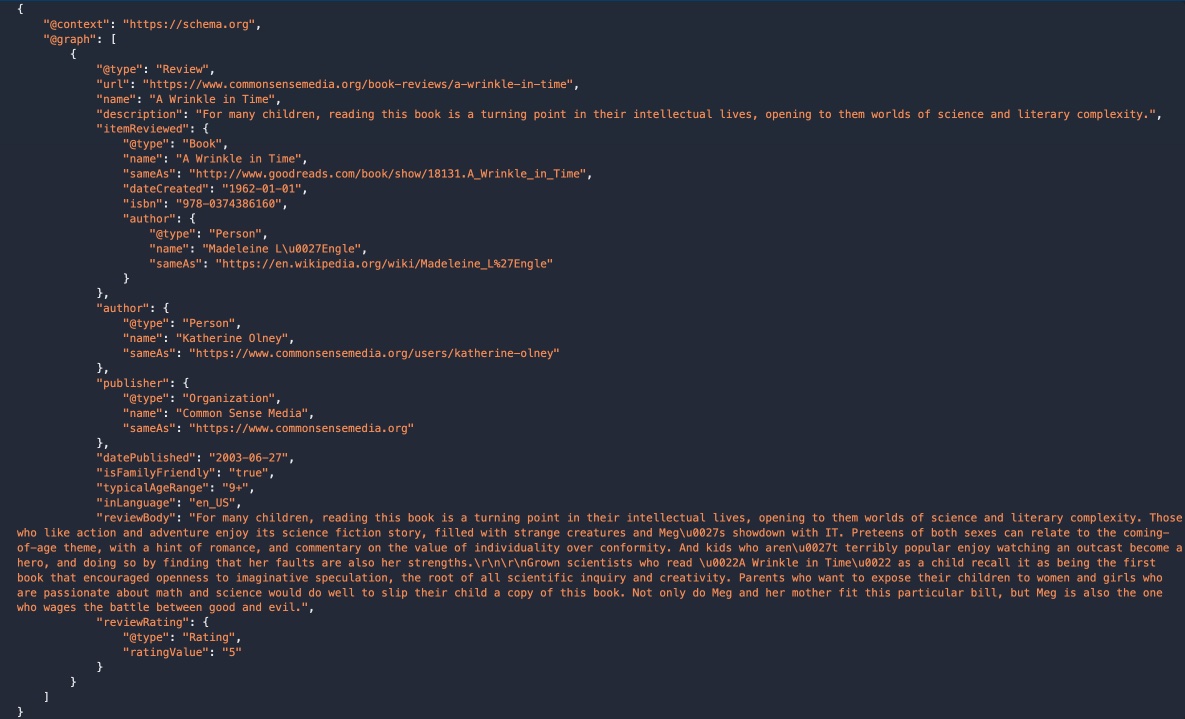
JSON-LD is hidden from users but search engine crawlers know how to use it. In this particular case Google pulled the rating and author field and included them directly in the result.
Benefits of Rich Results for SEO
As you can probably guess, rich results have a huge impact on Search Engine Optimization (SEO):
- Enhanced visibility: Rich results act as a kind of mini-advertisement on the search results page. They are more visually striking and contain more information than regular results, making them more attractive to users.
- Improved click-through rates: The attention-grabbing nature of rich results and their ability to deliver immediate information often results in higher click-through rates. And ultimately, click-throughs are the single biggest factor search engines use to determine how to rank results.
- Rankings boost: While including rich results isn't by itself a factor in search rankings, When you do start ranking highly for terms you'll want them in place to give your article additional screen real estate in search results.
How to tell if your content marketing is capable of rich results
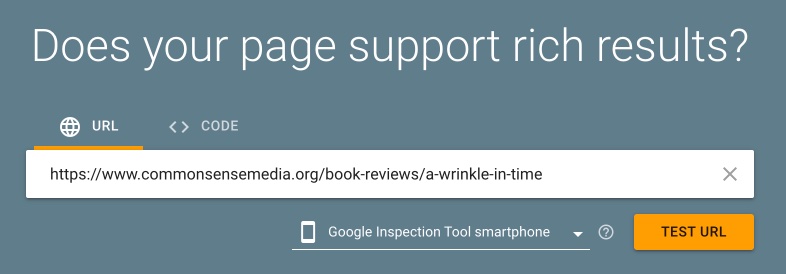
Chances are, if you didn't set it up intentionally or add an SEO plugin to your content marketing platform, your site doesn't have rich results. But there's an easy way to tell. Google's Rich Results Test page will show you which rich results are supported for a given web page. Take one of your content marketing pages, copy the URL, and paste it into the search box, then click Test URL:
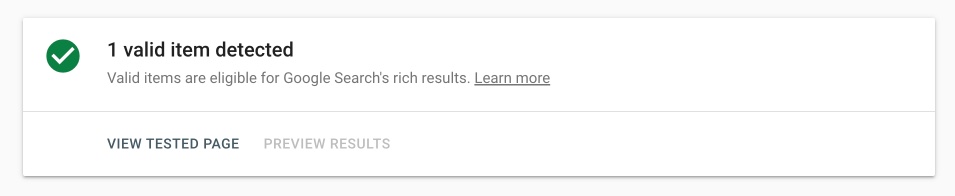
When the test finishes, Google will let you know if any rich results were found:
Further down the page it shows you the details of the structured data found, and you can click through to see detail:

If there are no results found, or the JSON-LD isn't set up correctly, this page will tell you that too.
How to implement JSON-LD for content marketing
JSON-LD syntax is finicky - a mis-placed set of quotes can break everything. For this reason you should try to find a plugin for your content marketing platform that supports it. Look for plugins that focus on SEO and read their feature lists looking for JSON-LD or rich results. If you want to implement it on a custom site that doesn't support plugins, there are a few sites that can help you generate the correct syntax:
- Google's Structured Data Markup Helper
- JSON-LD Schema Generator by Merkle
- Schema App's JSON-LD Generator
- JSON-LD Playground
- Hall Analysis JSON-LD Generator
If you aren't happy with your current content marketing platform's support for rich results, you should give Orchestra a try. Every article we publish automatically generates accurate Article, How-to, Q&A, or Local Business JSON-LD depending on the type of content provided by Orchestra.
Common problems when using JSON-LD
There are a few things that come up a lot when working with JSON-LD:
- Incorrect or incomplete markup: Make sure your markup is spot on. Google's Structured Data Testing Tool can help you validate it.
- Using the wrong schema: There are different schemas for different types of content. Be sure to use the right one for your data.
- Not keeping up with changes: Google regularly updates its guidelines. Stay in the know to avoid outdated practices. Google's Search Central is updated frequently and it's worth keeping an eye out for major updates.
Conclusion
There are a lot of factors that go into improving your search rankings and rich results support is a powerful tool to help you. If you aren't using it, chances are your competitors are.
Looking for a platform that takes care of all of this for you? Give Orchestra a try for free and get SEO-optimized content delivered on a predictable schedule, plus social media announcements and dozens of other features, all working in harmony.